A post-acute step-down unit has medical and rehabilitation equipment for patients who are stable enough to leave an acute hospital but not yet ready to recover safely at home.
At GreenTree Sub-Acute & Rehabilitation Hospital, the equipment supports three main goals:
- Managing ongoing medical needs safely
- Helping patients regain strength, movement, and independence
- Preparing patients and families for a safe return home
A step-down facility is not an intensive care unit. It does not provide the same invasive life-support systems, emergency operating facilities, or constant critical-care monitoring. Its equipment reflects the patient’s transition from medical dependence to functional independence.
How Is Step-Down Equipment Different From ICU Equipment?
An ICU treats critically ill or medically unstable patients. Its equipment supports life-sustaining treatment, continuous monitoring, and immediate intervention during a medical crisis.
GreenTree admits patients whose immediate crisis has passed. These patients may still need intravenous medication, oxygen, wound care, mobility assistance, nursing support, and intensive rehabilitation.
Equipment normally associated with an ICU rather than a post-acute facility includes:
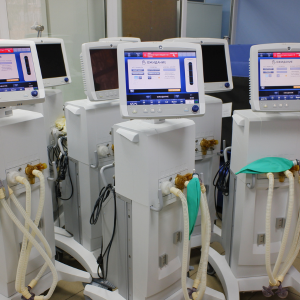
- Invasive mechanical ventilators
- Centralised ICU-style telemetry for every patient
- Invasive haemodynamic monitoring
- Emergency operating theatres
- Continuous dialysis for critically ill patients
- High-risk medication infusions requiring constant adjustment
Patients who still need this level of intervention should remain in an acute hospital. Before accepting a transfer, GreenTree reviews the patient’s medical records and confirms that the facility can manage their needs safely.
Read our latest blog post: Step Down Unit vs. Regular Hospital Floor: What’s the Difference?
Patient Monitoring Equipment
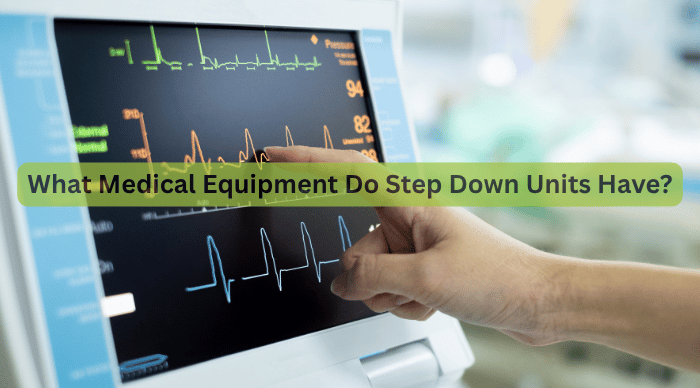
Although step-down patients are medically stable, their condition must still be monitored. This allows the clinical team to identify changes and assess how a patient responds to treatment, medication, and physical activity.
Vital-Sign Monitors
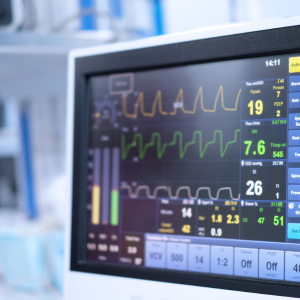
Mobile or bedside monitoring equipment may be used to measure:
- Blood pressure
- Heart rate
- Oxygen saturation
- Respiratory rate
- Body temperature
These checks are particularly useful during the first days after admission, following a medication change, or when a patient starts more demanding rehabilitation.
This monitoring differs from the continuous central monitoring normally found in an ICU or specialised cardiac ward. GreenTree uses monitoring appropriate for stable post-acute patients.
Medication and Fluid Administration Equipment
IV Infusion Pumps
Some patients transfer to GreenTree before completing a prescribed course of intravenous medication. IV infusion pumps allow trained nurses to deliver fluids, antibiotics, and other prescribed treatments at a controlled rate.
The doctor determines the treatment plan. Professional nurses operate the pump, check the intravenous line, monitor the patient’s response, and investigate alarms.
Visitors must never press buttons, change settings, disconnect tubing, or silence an alarm. If a pump begins beeping, call a nurse immediately.
Oxygen and Respiratory Support
Some patients continue to need supplemental oxygen after surgery, a respiratory illness, or an extended ICU stay.
Depending on the patient’s assessed needs, respiratory equipment may include:
- Wall-outlet oxygen
- Oxygen concentrators
- Nasal cannulas
- Oxygen masks
- Suction equipment
- Prescribed CPAP or BiPAP support in suitable cases
Respiratory requirements must be disclosed and assessed before admission. GreenTree does not provide invasive mechanical ventilation. A patient who requires intubation or intensive airway management needs acute hospital care.
Oxygen is a prescribed treatment. Family members must not increase or decrease the flow rate. If the patient appears uncomfortable or short of breath, call the nursing team.
Specialised Wound-Care Equipment
Patients may arrive with surgical incisions, pressure injuries, diabetic wounds, or slow-healing wounds following a prolonged hospital stay.
Wound-care resources may include:
- Sterile dressing equipment
- Antimicrobial dressings
- Pressure-relieving surfaces
- Wound-measurement materials
- Negative pressure wound therapy
- Infection-control supplies
Wound VAC Systems
A wound VAC uses controlled suction over a sealed dressing. It may be prescribed for selected surgical, complex, or slow-healing wounds.
Trained nurses monitor the dressing seal, tubing, drainage, surrounding skin, and equipment alerts. A family member should never remove the dressing, empty the collection unit, reconnect tubing, or turn off the machine without clinical instruction.
Equipment for Safe Transfers
Falls are a major risk during post-acute recovery. A patient who looks strong while sitting may still have poor balance, reduced sensation, or sudden weakness when standing.
The rehabilitation team selects a transfer method after assessing the patient’s strength, weight-bearing ability, coordination, cognition, and medical precautions.
Mechanical Patient Lifts
A mechanical patient lift may be used when someone cannot bear enough weight to transfer safely. It helps trained staff move the patient between a bed, wheelchair, and other suitable surfaces while reducing strain on the patient and caregivers.
The correct sling, attachment points, and transfer technique are essential. An untrained person should never operate the lift.
Slide Boards and Transfer Belts
As a patient becomes stronger, the team may replace the mechanical lift with equipment that encourages greater participation.
A slide board can help a patient move between two surfaces without standing fully. A transfer or gait belt gives a trained staff member a secure point of support while the patient practises standing or walking.
The change from a mechanical lift to a transfer belt is often an important sign of progress. It means the patient is beginning to contribute more actively to the movement.
Mobility and Physiotherapy Equipment
Rehabilitation equipment helps patients rebuild strength, balance, coordination, and walking ability. It is selected according to the patient’s condition and adjusted as recovery progresses.
Common equipment may include:
- Parallel bars
- Walking frames
- Rollators
- Hemi-walkers
- Quad canes
- Wheelchairs
- Rehabilitation stairs
- Exercise equipment
- Continuous passive motion machines
- Electrical muscle stimulation devices
Parallel Bars and Walking Aids
Parallel bars provide a controlled environment where patients can practise standing, shifting their weight, and taking steps. As balance and strength improve, the physiotherapist may introduce a walking frame, rollator, hemi-walker, or cane.
The therapist chooses and adjusts the device. The wrong height or type of walking aid can affect posture, increase fatigue, and create a fall risk.
Continuous Passive Motion Machines
A continuous passive motion machine moves a joint gently through a prescribed range without requiring the patient to perform the full movement independently. It may be used in selected orthopaedic rehabilitation plans.
The physiotherapist controls the range and progression according to the patient’s operation, pain, swelling, and medical instructions. Families should not change the machine’s angle or speed.
Electrical Muscle Stimulation
Electrical muscle stimulation may be used in selected rehabilitation programmes to activate weakened muscles. It can complement active exercise but does not replace the patient’s therapy programme.
A qualified clinician must decide whether it is suitable, position the electrodes, and determine the correct settings.
Occupational Therapy Equipment
Physiotherapy often focuses on movement and mobility. Occupational therapy focuses on helping the patient complete practical daily activities.
Occupational therapy equipment may include:
- Customised wheelchairs and seating supports
- Positioning cushions
- Therapeutic splints
- Modified eating utensils
- Dressing aids
- Long-handled shoehorns
- Raised toilet seats
- Shower chairs
- Grab rails
- Communication and cognitive activity tools
The goal is not simply to give the patient more equipment. The goal is to identify the smallest amount of support that allows the person to complete a task safely.
Speech and Swallowing Support
Patients recovering from strokes and neurological conditions may experience difficulty communicating or swallowing.
Speech-language therapists may use:
- Communication boards
- Picture and word cards
- Digital communication tools
- Modified cups and feeding utensils
- Measured thickening products
- Swallowing assessment materials
Food consistency and liquid thickness form part of the patient’s clinical treatment. Relatives must not give the patient ordinary food or drinks without approval. A well-intended snack can create a serious choking or aspiration risk.
How GreenTree Selects Equipment for Each Patient
Equipment is not selected from a standard list and left unchanged for the entire admission. Each patient receives an individual assessment, and their equipment needs are reviewed as their abilities change.
Pre-Admission Screening
Before transfer, GreenTree reviews relevant hospital records, surgical notes, medication details, and current clinical requirements. This helps the team confirm that the patient is suitable for post-acute care and prepare necessary resources.
Assessment After Admission
During the first 24 to 48 hours, the multidisciplinary team assesses areas such as:
- Medical stability
- Strength and range of movement
- Balance and walking ability
- Cognition and communication
- Swallowing safety
- Skin and wound condition
- Respiratory support
- Ability to complete daily activities
This assessment informs the patient’s treatment plan and functional goals.
Who Operates and Adjusts the Equipment?
Different professionals manage equipment within their areas of expertise.
- Doctors prescribe medical treatment such as oxygen, intravenous medication, and specialised clinical protocols.
- Nurses manage bedside equipment, IV pumps, prescribed oxygen, wound systems, dressings, and routine monitoring.
- Physiotherapists assess mobility and select walking aids, transfer equipment, exercise devices, and gait-training tools.
- Occupational therapists recommend wheelchairs, positioning support, splints, bathroom equipment, and aids for daily activities.
- Speech-language therapists assess communication and swallowing and recommend appropriate feeding or communication tools.
Families are encouraged to learn, but they should never adjust or operate medical or mobility equipment without direct instruction.
How Equipment Changes During Recovery
An anonymised stroke case illustrates how equipment should reduce or change as independence improves.
Mr. Mokoena, a 64-year-old patient, arrived after an ischaemic stroke. He had paralysis on his left side, mild swallowing difficulties, and a pressure injury following an extended acute hospital stay.
On admission, he needed an IV infusion pump, wound VAC therapy, a mechanical patient lift, a wheelchair, and a modified diet.
After two weeks, his wound had improved sufficiently for the clinical team to replace the wound VAC with specialised dressings. As movement returned, the physiotherapist replaced the mechanical lift with a transfer belt and started gait training between parallel bars.
Occupational therapy introduced modified utensils and dressing aids. Once the speech-language therapist confirmed that he could swallow more safely, his diet progressed to an appropriate standard texture.
By week six, he no longer needed bedside medical equipment. He could move with a hemi-walker and use a lightweight wheelchair for longer distances.
For discharge, the team recommended:
- A correctly fitted hemi-walker
- A suitable wheelchair for longer distances
- A shower chair
- Secure grab rails in the bathroom
- Removal of loose rugs
- A small ramp at the home entrance
This progression reflects the purpose of rehabilitation. Equipment provides the necessary support at each stage, but the team reduces dependence when it becomes safe to do so.
What Happens to the Equipment at Discharge?
Equipment used inside GreenTree remains at the facility. Hospital-owned monitors, pumps, wound systems, mechanical lifts, and rehabilitation equipment do not automatically go home with the patient.
If equipment is still needed after discharge, the family may need to buy or rent it. This could include:
- A wheelchair
- A walking frame or hemi-walker
- A shower chair
- A raised toilet seat
- Grab rails
- A home oxygen concentrator
- A suitable bed or pressure-relieving mattress
The physiotherapist and occupational therapist help identify the correct type, measurements, and specifications. Families should wait for this professional assessment before purchasing anything.
Will Medical Aid Pay for Home Equipment?
Medical-aid cover for a sub-acute stay and cover for home equipment are usually handled under different benefits.
GreenTree’s case-management team coordinates authorisation for the facility admission and submits clinical updates when additional inpatient care must be motivated.
Home equipment may require:
- A prescription or therapist’s recommendation
- A clinical motivation
- A supplier quotation
- The relevant NAPPI code
- Separate approval from the medical scheme
Coverage depends on the patient’s medical scheme and plan. Families should confirm benefits, limits, co-payments, approved suppliers, and rental conditions before placing an order.
Do Not Buy Equipment Too Early
One of the most common mistakes families make is purchasing expensive equipment before the patient’s discharge needs are clear.
A patient who needs a mechanical lift or heavy wheelchair during the first week may progress to a walking aid before going home. A wheelchair bought without correct measurements may also be uncomfortable, difficult to use, or unsafe.
Before buying or renting equipment:
- Wait for the rehabilitation team’s final assessment.
- Ask whether the item is needed temporarily or permanently.
- Confirm the correct measurements and specifications.
- Check whether rental would be more practical than purchasing.
- Request a formal quotation with the relevant medical-aid information.
- Arrange delivery before the patient returns home.
- Ensure the patient and caregiver receive practical training.
The Right Equipment Supports Independence
Medical equipment in a step-down unit is not there to make the facility resemble an ICU. Each item should support a specific clinical or rehabilitation need.
At GreenTree, equipment may help nurses deliver medication, manage wounds, provide oxygen, prevent falls, restore movement, improve swallowing, or teach a patient how to complete daily activities again.
The most important point is that equipment must change with the patient. As strength and function improve, the team should reduce unnecessary support and introduce tools that encourage greater participation.
Families should never guess which equipment to buy or how to use it. Ask the GreenTree team for guidance, wait for the final assessment, and make decisions according to the patient’s actual ability at discharge.