
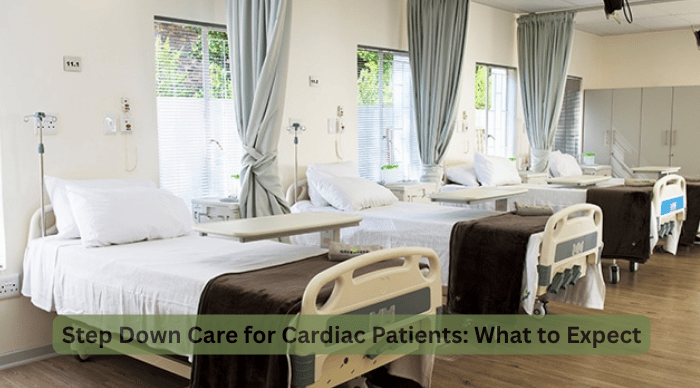
Step down care helps suitable cardiac patients move from acute hospital treatment towards a safe return home. It combines nursing support, medication administration, rehabilitation and assistance with everyday activities while you rebuild strength and confidence.
At Greentree Sub Acute Hospital in Pretoria, the focus is on helping medically stable patients regain independence after illness or surgery. For cardiac patients, this may mean learning to walk confidently again, managing surgical wounds and preparing the family for continued recovery at home.
Leaving an acute hospital is an important milestone, but it does not mean recovery is complete. You may no longer need intensive treatment while still needing help to get out of bed, dress or reach the bathroom safely.
Which Cardiac Patients May Need Step Down Care?
Not everyone needs a subacute admission after a cardiac event or procedure. Some people can return home with appropriate follow-up. Others need additional inpatient support because of weakness, reduced mobility, nursing needs or limited assistance at home.
Patients considered for admission may include people recovering from:
- Coronary artery bypass graft surgery, also called CABG.
- Heart valve surgery.
- A heart attack followed by significant weakness or difficulty managing daily activities.
- A prolonged hospital or ICU stay involving cardiac illness.
- Cardiac illness complicated by other medical conditions or ongoing wound care needs.
Admission depends on an individual assessment. The referring doctor and Greentree team must confirm that the patient’s condition and treatment needs are suitable for the facility.
What Makes Someone Ready to Transfer?
The patient must be stable enough to leave the acute hospital and receive care safely in a subacute setting. The team considers medical stability, required monitoring, medication needs and functional abilities.
Being ready for transfer does not mean being free of risk. It means that the next facility can appropriately manage the patient’s assessed needs and respond if their condition changes.
Patients who still need intensive care, invasive ventilation or acute cardiac interventions require an appropriately equipped acute hospital.



What Does a Typical Day at Greentree Involve?
Your day is built around your individual care plan. Nursing care, rehabilitation, meals and rest are coordinated to support recovery without expecting you to manage everything at once.
Nursing Checks and Personal Care
Nursing staff monitor observations such as blood pressure, pulse, temperature and oxygen saturation according to your condition and clinical instructions. They also assist with washing, dressing, toileting and other activities where help is needed.
These routines provide opportunities to identify difficulties. Feeling dizzy when standing, becoming unusually breathless during personal care or developing new pain should be reported rather than pushed through.
Medication Administration and Review
Nurses administer prescribed medication and observe how you respond. Questions or concerns can be raised with the treating doctor, who directs any changes.
Some patients may need intravenous treatment, but suitability must be confirmed before admission. The availability of an infusion pump does not mean a subacute facility can manage every cardiac infusion or medication requiring intensive monitoring.
Physiotherapy and Everyday Activities
Rehabilitation focuses on achievable tasks that matter for home life. Depending on your assessment, these may include:
- Getting in and out of bed safely.
- Standing from an appropriate chair.
- Walking short distances with suitable assistance.
- Practising breathing techniques where indicated.
- Managing dressing, washing and bathroom routines.
- Learning to pace activity and recognise when to rest.
Physiotherapy and occupational therapy input is arranged according to your needs. Not every patient requires the same disciplines, session frequency or treatment plan.
Read our latest blog: How Much Does Step Down Care Cost?
Wound Care
After cardiac surgery, you may have a chest incision and other wounds, such as a leg incision following bypass graft surgery. Nursing care includes wound assessment and prescribed dressing changes.
Greentree can manage suitable patients using negative pressure wound therapy, sometimes called a wound VAC. The specific wound, device and treatment requirements must be discussed before admission.
Report increasing wound pain, redness, swelling, discharge or separation promptly. Wound concerns need assessment rather than assumptions that they are a normal part of healing.
Rest and Nutrition
Rest is part of recovery. Your activity plan should leave space for sleep, meals and recovery between tasks.
Tell the team if fatigue, nausea or poor appetite is making it difficult to participate. Dietary advice and any prescribed fluid or salt restrictions should reflect your medical condition. A dietician can be involved when required.
How Much Cardiac Monitoring Is Available?
Greentree is a standalone subacute and rehabilitation hospital. It does not provide continuous wireless cardiac telemetry across the ward.
Staff use clinical observations and standard monitoring equipment as indicated, including checks around activity where appropriate. These checks are different from continuous heart rhythm monitoring in an acute cardiac unit.
If you need continuous telemetry or another specific monitoring service, the referring team must establish whether the proposed care setting can meet that requirement before transfer.
If your condition deteriorates or you need investigations or treatment beyond the facility’s scope, assessment and transfer to an acute hospital may be necessary.
How Do You Rebuild Confidence After a Cardiac Event?
In our experience, fear can become a major barrier to recovery. After heart surgery or a frightening cardiac event, patients may worry that walking, coughing or standing will cause further harm.
That anxiety deserves attention. We encourage patients to explain what they are afraid of so the team can provide clear guidance and practise manageable tasks with them.
Start With Small, Supervised Goals
A first goal might be standing safely or walking to a nearby chair. Progress depends on your symptoms, observations, strength and the treating team’s assessment.
Your therapist may use an exertion scale to help you describe how hard an activity feels. Any target must be selected for you. A number on a scale or monitor does not, by itself, establish that an activity is safe.
Tell the team immediately about chest discomfort, dizziness, unusual breathlessness or palpitations during activity. Do not dismiss new symptoms as anxiety or a normal part of exercise.
Learn Movement Techniques Suited to Your Surgery
If your operation involved opening the breastbone, your surgeon and therapists will explain the movement precautions appropriate to your repair and healing.
They may teach supported coughing, comfortable positioning and ways to move between bed and chair. A pillow may help support the chest during coughing when recommended, but it does not guarantee protection against wound complications.
Avoid applying a universal lifting limit or a fixed recovery deadline to every patient. Follow your own instructions about arm use, lifting, driving and returning to work.
A Hypothetical Example of Building Confidence
Consider a patient recovering from bypass surgery who is medically stable but afraid to walk beyond his bed. He worries that movement will damage his chest incision.
The therapist first listens to his concerns and explains the precautions prescribed by his surgical team. They practise a supported transfer, then agree on a short walk with assistance and appropriate observation.
As he completes manageable tasks, he gradually becomes more confident. The distance increases only when his clinical progress supports it.
This is a hypothetical composite example, not a specific Greentree patient’s story. It illustrates an approach rather than promising a particular recovery timeline.
Is This the Same as a Formal Cardiac Rehabilitation Programme?
Greentree provides individualised inpatient rehabilitation and nursing support for suitable cardiac patients. It does not operate a dedicated outpatient cardiac rehabilitation centre or a formal comprehensive cardiac rehabilitation programme.
A formal cardiac rehabilitation programme can include supervised exercise, education about cardiovascular risk factors and support with emotional wellbeing. Ask your cardiologist whether you are eligible and how to access an appropriate service after discharge.
Completing a subacute stay does not automatically replace any further cardiac rehabilitation recommended by your treating team.
What Should Patients and Families Understand Before Going Home?
Discharge planning should begin before the departure day. The aim is to establish what you can manage, what help remains necessary and how continuing care will be arranged.
Your Updated Medication Plan
Know which medicines to take, their purpose, dose and timing. Check which previous medicines have been stopped or changed so you do not accidentally take both the old and new regimens.
Do not stop or change prescribed cardiac medication because you feel better. Contact your prescribing clinician if you have side effects or concerns.
If home blood pressure, pulse or weight monitoring is recommended, request written instructions explaining when to measure, what results need attention and whom to contact. Do not withhold medication based on a reading unless your clinician has given you specific instructions.
Your Wound Care Instructions
Follow the instructions for your particular incision, dressing or wound therapy device. Confirm when washing or showering is permitted and whether a professional needs to perform dressing changes.
Do not apply creams, oils or antiseptics unless your treating team has advised them. Ask when bathing, swimming or soaking the wound will be safe.
Your Activity and Follow-Up Plan
Leave with clear guidance on walking, rest, movement restrictions and continued therapy. Confirm which appointments are booked and which still need arranging.
Family members or caregivers should practise relevant assistance techniques with the therapy team. Being willing to help is valuable, but practical training helps establish whether the planned support is realistic.
Which Warning Signs Need Urgent Help?
Before discharge, ask for written instructions that distinguish routine questions from urgent medical concerns and emergencies.
Seek Emergency Medical Assistance Immediately
- New or unexplained chest pressure, squeezing, tightness or pain that could indicate a heart attack.
- Sudden or severe difficulty breathing.
- Coughing up pink, frothy sputum, particularly with breathlessness.
- Collapse, loss of consciousness or new stroke symptoms.
Do not wait 15 minutes to see whether suspected heart attack symptoms pass. Call emergency medical services and do not drive yourself. While admitted, alert nursing staff immediately.
Contact Your Treating Team Promptly
- Increasing wound redness, warmth, swelling, drainage or separation.
- Fever or feeling increasingly unwell.
- New or worsening swelling, breathlessness or reduced activity tolerance.
- Repeated dizziness, medication side effects or difficulty taking prescribed treatment.
- Weight changes outside the limits in your individual monitoring plan.
If symptoms are severe, sudden or rapidly worsening, seek emergency help rather than waiting for a routine response.
Planning Cardiac Step Down Care at Greentree
Before admission, discuss the patient’s diagnosis, current stability, wound needs, medication and rehabilitation requirements with Greentree’s admissions team. Confirm the proposed services, funding arrangements and any care that requires separate coordination.
Contact Greentree Sub Acute Hospital in Pretoria on 010 823 1630 or email reception@greentreehealth.co.za.
Fear after a cardiac event is understandable. With individual guidance, suitable rest and gradual activity, the next stage of recovery can focus on rebuilding confidence in the everyday tasks that matter to you.